


TMJ and Bruxism
Solutions to Relive TMJ Pain

Do you grind and clench your teeth at night? We can help with reliable solutions to protect against the damage and discomfort bruxism causes.

TMJ and Bruxism | Dentist

TMJ and Bruxism

Do you wake up with headaches or neck or shoulder pain? Are your teeth sensitive? Are they starting to crack or look worn down?

You may have problems with your TMJ (temporomandibular joint) or bruxism (teeth grinding or clenching). TMJ disorders (TMD) affect over ten million Americans and are more common in women. These disorders can be painful and, in some cases, seriously affect your quality of life.

Often, TMJ disorders prevent patients from opening their mouths fully, making dental exams and oral hygiene difficult. Such severe symptoms put your oral health at risk.

Symptoms of TMJ Disorders

While TMJ symptoms can vary dramatically from person to person, some of them include:

  • Clicking or popping in your jaw joints
  • Being unable to open or close your mouth fully
  • Your teeth don't come together completely
  • Pain in your jaw joints
  • Facial, neck, or shoulder pain
  • Headaches or migraines
  • Grinding and clenching your teeth
  • Tooth sensitivity
  • Tinnitus
  • Worn or shortened teeth
  • Dr. Shaina DiMariano

    Dr. Shaina DiMariano is the owner of DiMariano Family Dentistry, where she has been delivering exceptional patient care since 2007. With a career in dentistry spanning more than two decades, Dr. DiMariano leads her practice with a clear and unwavering vision: that every patient deserves her full attention and the very best care at every appointment.

    Inspired by watching her father practice dentistry with warmth, skill, and genuine connection, Dr. DiMariano knew early on that this would be her path. Drawn by the opportunity to help people and make a meaningful ...

    Read More

What Causes TMJ Disorders?
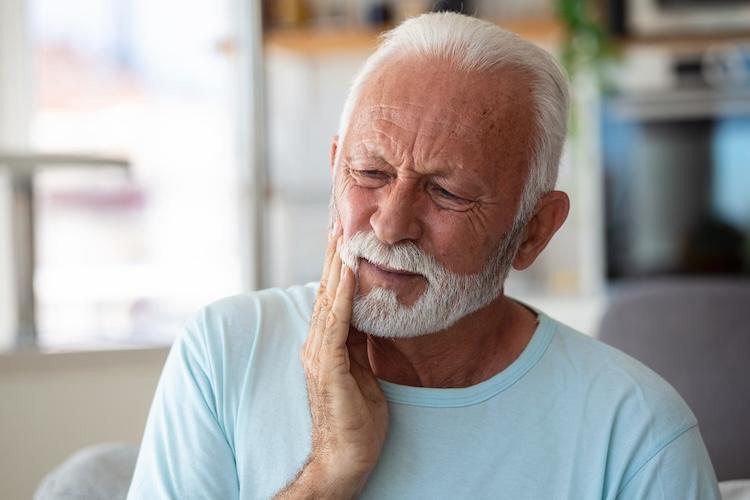
Jaw problems can also be caused by accidents, trauma, or sports injuries. But in many cases, there is no definite cause.

How your teeth come together (occlusion) also plays a role in TMJ and may cause dysfunction in your jaw joints. Because more women are diagnosed with TMJ disorders, scientists are investigating a link between TMJ disorders and female hormones.

How Are TMJ Disorders Treated?

The treatment for TMD depends on the type and severity of the symptoms. It can include splint therapy, surgery, neuromuscular treatments, deprogrammers, or muscle relaxers.

Most cases of TMJ can be treated without surgery, though it may be necessary for severe cases.

Bruxism (Tooth Grinding and Clenching)

Bruxism is excessive clenching or grinding of teeth. While it is very common, its symptoms can be severe, including tooth sensitivity, worn teeth, and headaches.

Clenching and grinding occur more commonly during sleep but can also occur during the day. Treatment for bruxism usually involves creating a nightguard or splint to protect your teeth from damage.

If you suffer from symptoms of TMJ disorders or bruxism, call our office to schedule an evaluation. At that time, we will recommend the appropriate treatment to keep you comfortable and protect your teeth from damage.